

Devine, J., et al. Infection, vaccination and risk of dementia: a proposed immunological model. Front Immuno, 2026 Mar 4, 17:1748535, PMID: 41859113
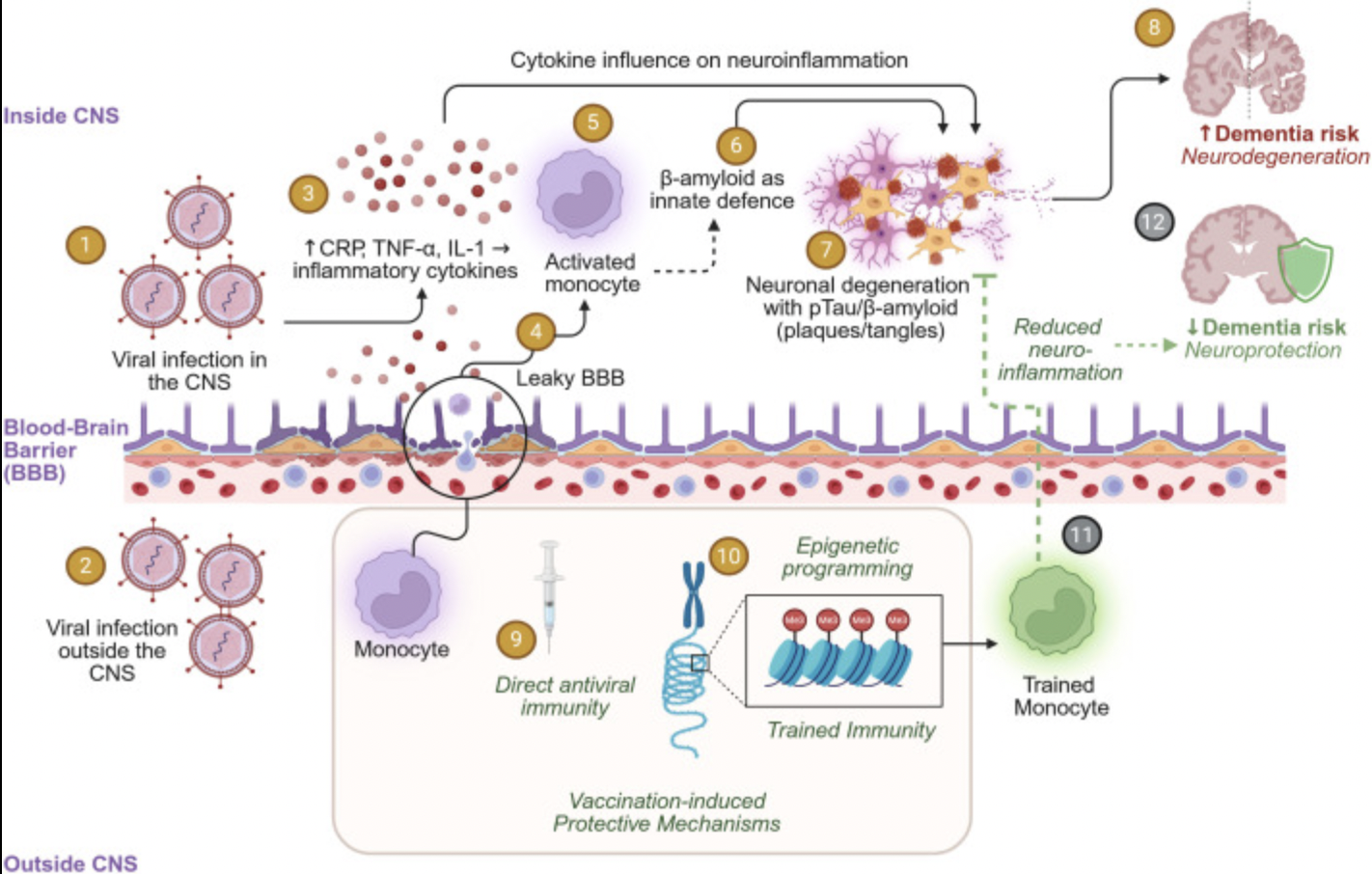
- This paper emphasizes the growing global burden of dementia, particularly
Alzheimer's disease, which is predicted to nearly double by 2050 due to aging
populations worldwide. It highlights emerging evidence linking infectious agents,
such as herpesviruses, flaviviruses, and SARS-CoV-2, to increased dementia risk,
suggesting a potential infectious etiology. Importantly, epidemiological data indicates
that certain vaccinations, notably BCG and AS01-adjuvanted vaccines, are
associated with reduced dementia incidence. Understanding the immunological
mechanisms behind this association, particularly the role of trained innate immunity,
could open new avenues for dementia prevention and therapy, underscoring the
significance of exploring vaccines not only for infectious disease control but also for
neurodegenerative disease modulation. - The main conclusions of the paper are that immune responses related to infections
and vaccinations have complex and possibly opposing effects on dementia risk. It
advocates for considering immune system modulation, both reducing harmful
inflammation from infections and harnessing protective effects of vaccines, as a
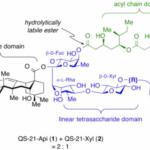
plausible approach to influence dementia risk. - Comment from DK: Given the evidence that the AS01b adjuvanted vaccines can
reduce the risk of dementia, it would be prudent to investigate whether other AS01
contribute adjuvants also confer similar protective effects. Testing a broader range of
vaccines with saponin-containing adjuvants could help determine whether this
adjuvant system universally contributes to dementia risk reduction and potentially
inform the development of targeted immunization strategies for Alzheimer's disease
and other dementias.
Click here to access the full scientific paper.
Recent Posts