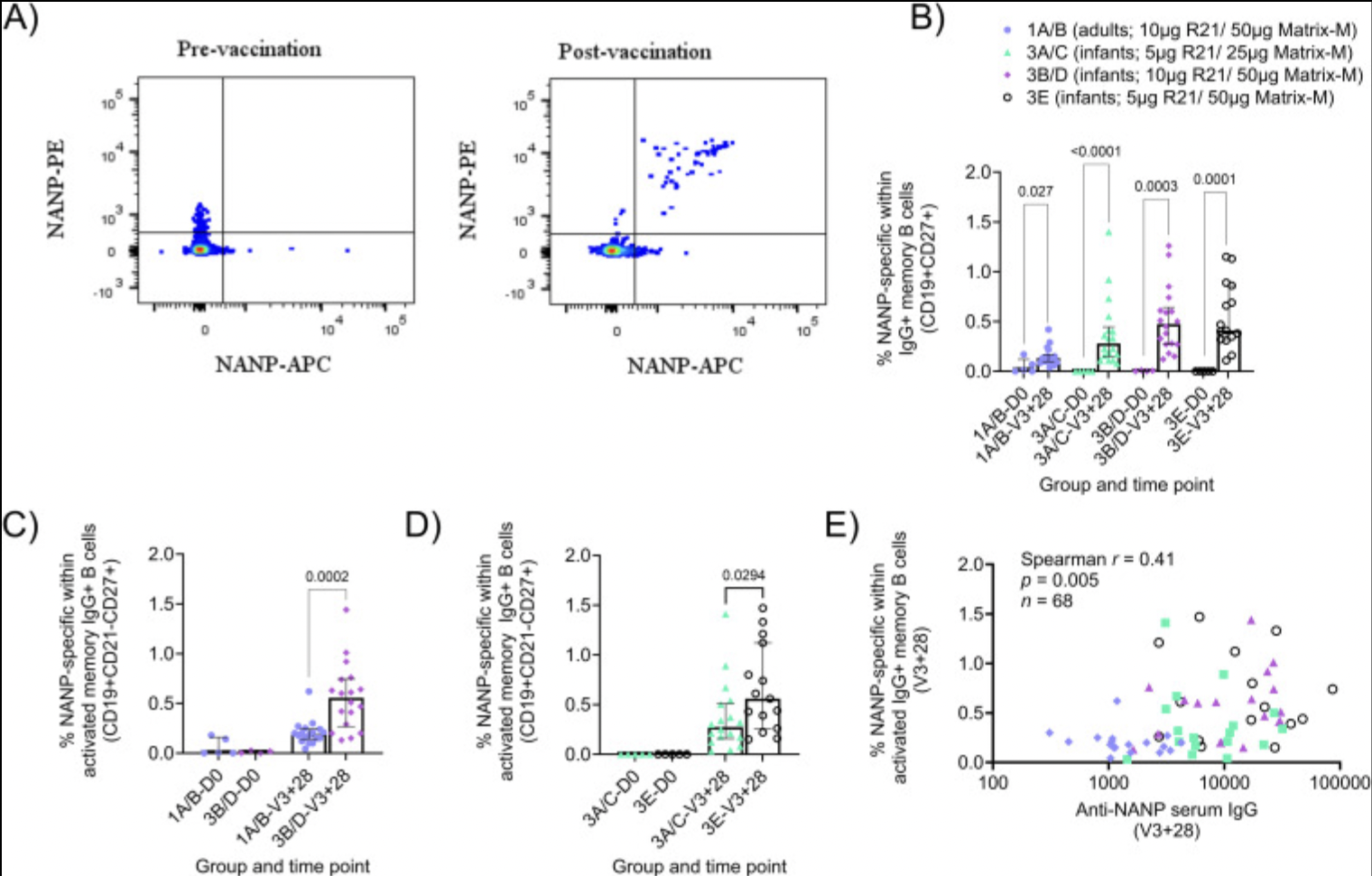


Bundi, C.K., et al. B and T cell responses to pre-erythrocytic R21/Matrix-M and blood- stage RH5.1/Matrix-M malaria vaccines in endemic settings. Front Immunol, 2026 Mar 2, 17:1743327, PMID: 41846927
- Malaria remains a major global health challenge, particularly in endemic regions
where effective vaccines are critically needed. Recent advances include the
development of vaccines targeting different stages of the parasite's life cycle, such
as the pre-erythrocytic stage (e.g., R21/Matrix-M) and the blood stage (e.g.,
RH5.1/Matrix-M), which aim to elicit robust humoral and cellular immune responses.
Matrix-M is a saponin-based adjuvant derived from the bark of the Quillaja saponaria
tree, known for its potent ability to enhance immune responses by promoting antigen
uptake, presentation, and follicular helper T cell activation, thereby supporting
germinal center formation and durable antibody production. Understanding the
immunological mechanisms underlying vaccine effectiveness is crucial for optimizing
vaccination strategies. Since protection appears to be antibody-mediated, enhancing
these immune responses through appropriate dosing regimens, exposure
considerations, and age-specific approaches could significantly improve vaccine efficacy, making this research vital for advancing malaria control and eventualeradication efforts in high-burden settings.
- The study found that the adjuvant Matrix-M played a significant role in shaping the
immune responses to the malaria vaccines. Higher doses of Matrix-M (50 mg versus
25 mg) were associated with increased frequencies of NANP-specific activated
memory IgG+ B cells and higher serum IgG titers, particularly in infants, indicating
an adjuvant dose-dependent enhancement of humoral immunity. Additionally, the
type and timing of booster doses influenced the durability and magnitude of antigen-
specific B cell and Tfh cell responses, with delayed booster regimens eliciting
stronger RH5-specific memory B cell responses compared to monthly schedules.
These findings suggest that the adjuvant dose and vaccination schedule are critical
factors modulating cellular and humoral immunity, which could be optimized for more
effective malaria immunization strategies.
Click here to access the full scientific paper.
Recent Posts