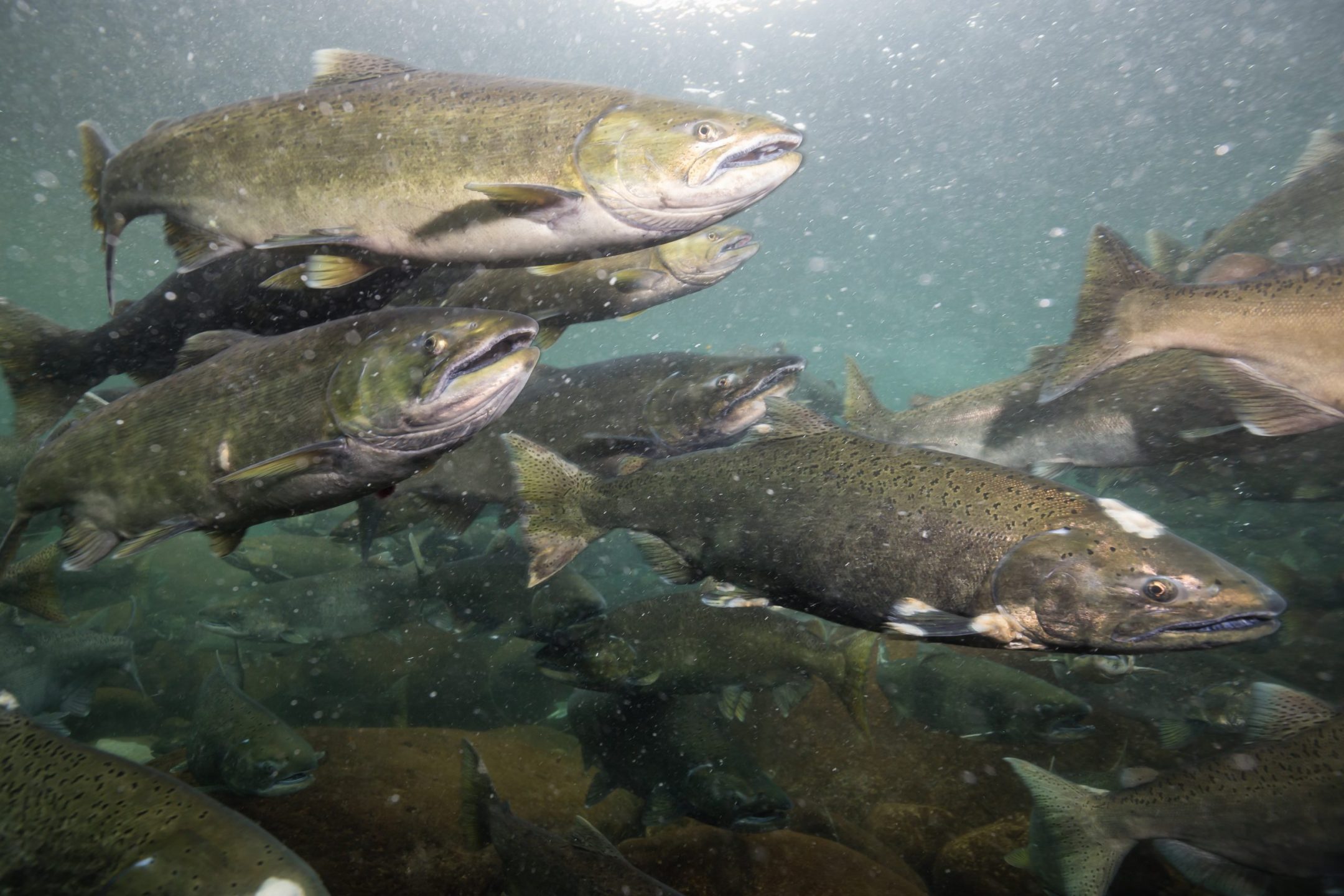


As Thailand launches Atlantic salmon farming trial, Chile exports more than fish
When a Chilean trade delegation visited the aquaculture department at Bangkok’s Kasetsart University in late May, the trip looked like routine commercial diplomacy. The reality was more telling. Researchers there are studying fish growth, feeding strategies, and the economics of cold-water farming to test whether salmon — a fish with no natural home in tropical Thailand — could one day be raised commercially on Thai soil.
The project began with the importation of 20,000 fertilized Atlantic salmon eggs from Chile through ProChile, marking Thailand’s first controlled Atlantic salmon farming trial. Rather than representing a commercial production initiative, the project is intended to evaluate the technical and economic feasibility of Atlantic salmon farming under recirculating aquaculture system (RAS) conditions. This reflects a broader trend in global aquaculture, where emerging producers are seeking not only fish and genetics, but also sustainable health-management technologies.
Chile is unusually well positioned to answer that. As the world’s second-largest salmon producer after Norway, it ships to more than 70 markets and has spent two decades building an ecosystem of feed, genetics, vaccines, and automation around the fish — and that know-how, not just the salmon, is increasingly what it sells abroad.
The pattern is widening across Asia. South Korea took its first Chilean salmon eggs for land-based systems, while Thailand, Vietnam, India, and Indonesia are routinely named as markets to watch. The trade numbers give that weight. Thailand imported roughly US$744 million of salmon in 2025, with Chile its second-largest supplier at US$105 million — up 30 percent year over year.
THE NEXT BIG SALMON EXPORT MAY BE A CHILEAN TREE
For a new entrant, importing eggs is the easy part. The hard part is disease. Chile’s defining health challenge is Piscirickettsia salmonis, the bacterium behind Salmon Rickettsial Syndrome (SRS) and widely cited as the largest driver of antibiotic use in Chilean farming — a reliance that has drawn scrutiny from retailers and regulators abroad.
That pressure has made the country a laboratory for alternatives. One comes from Desert King, a company spanning Chula Vista, California; Quilpué, Chile; and Tijuana, Mexico, that has spent more than two decades commercializing extracts from Quillaja saponaria, the soapbark tree native to central Chile. The quillay is already a quiet global commodity: its saponins serve as emulsifiers across the food, beverage, and mining industries and, in purified form, as immune-boosting vaccine adjuvants inside Novavax’s COVID-19 shot, a leading shingles vaccine, and the world’s first malaria vaccine.
The salmon application emerged from the same scientific platform. Following more than five years of collaborative research with the Saponin Research Center, Desert King developed highly purified water-based Quillaja extracts designed as functional feed ingredients. When incorporated into salmon diets, these extracts support fish health and resilience under Piscirickettsia salmonis challenge, contributing to reduced antibiotic use while maintaining productive performance. Quillaja extracts are already authorized for use in multiple food applications in several international markets, providing a well-established safety profile for food-related applications.
A nation building a sector from scratch has no legacy infrastructure or entrenched treatment habits to unwind. It can design responsible health management in from the start rather than retrofitting it under buyer pressure — an opening for natural, antibiotic-sparing approaches that match where seafood buyers and certification schemes are already heading.
None of this guarantees that Thailand, or anyone else, will build a viable salmon industry, given the obstacles of tropical temperatures and economics. But the direction is clear: the next generation of salmon farming, wherever it takes root, will be assembled from imported parts — eggs, feed, systems, and increasingly health science. Chilean companies like Desert King are betting that a native tree may prove one of the more valuable exports in the box.