

Casablanca Forestry Event highlights sclerophyllous forest recovery and sustainable quillaja value chain development
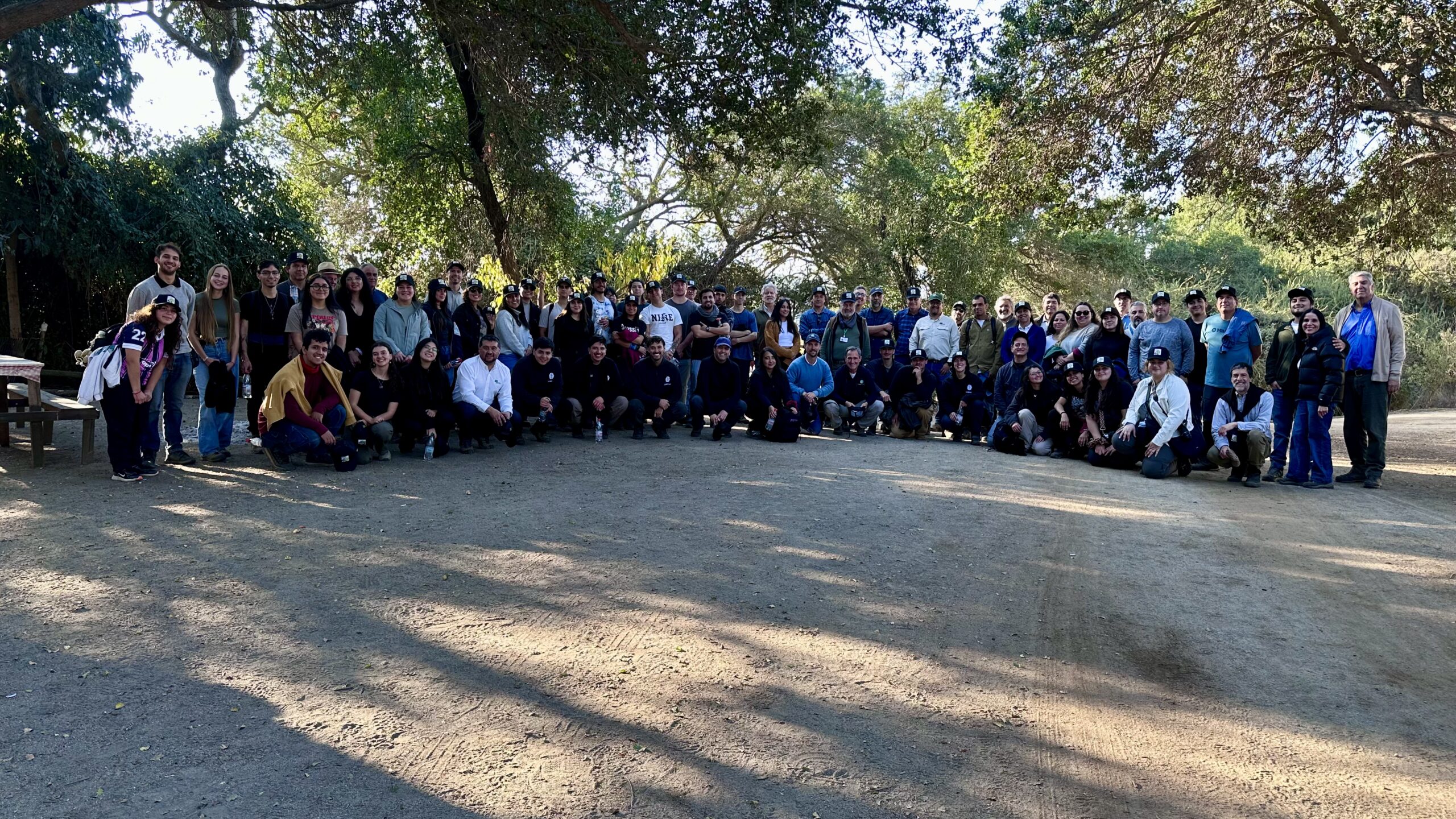
The technical conference “Forestry Day: Quillaja Plantations and Silviculture of the Sclerophyllous Forest” drew nearly 120 attendees in the Valparaíso Region. The event focused on the conservation and commercial potential of local forest resources. Organized by the Aprobosque trade association, Desert King, and Bosques del Norte, the meeting brought together representatives from the Ministry of Agriculture, the Agricultural and Livestock Service (SAG), the Agricultural Research Institute (INIA), the Forestry Institute (INFOR), and the National Forestry Corporation (CONAF), alongside agricultural landowners, academics, and students.
The itinerary opened at the Casablanca Municipal Theater with technical presentations and a welcome address by Aprobosque’s Executive Director, Gloria Vargas, followed by opening remarks from CONAF’s Forest and Climate Change Manager, Alfonso del Río Cortés-Monroy. After the technical presentations, attendees traveled to the La Olla and El Refugio properties for field demonstrations on the practical application of silvicultural models and advancements in the cultivation and domestication of native species.
Javier González, Forestry and Sustainable Development Manager at Desert King, explained that the event centered on the sclerophyllous ecosystem and quillaja (Quillaja saponaria) plantations. Its goal was “to promote forest management for its recovery and productive development, and on the other hand, quillaja plantations as a viable alternative for the agroforestry market.” Participants visited the plantations to observe part of the cultivation and domestication process associated with this species native to central Chile
The field visit demonstrated how forestry knowledge, productive innovation, and responsible natural resource management can be integrated to develop sustainable supply alternatives and new opportunities for the agroforestry sector. Meanwhile, Gloria Vargas highlighted the event’s significance for the association, which typically concentrates its operations in southern Chile. She noted that the decision to partner with Desert King stemmed from a model that “is something different, atypical, and special, which also drives the rural economy.” Vargas underscored the multiple applications of quillaja saponins, noting that “highly versatile chemical compounds are obtained from them, ranging from vaccines to antioxidants.”
At the La Olla property, Bosques del Norte provided a comparative look at the effects of forest management in these ecosystems, showcasing unmanaged sectors with degraded native sclerophyllous forests alongside managed areas displaying several years of recovery. José Miguel Maiz, General Manager of the firm, praised the audience’s engagement, noting that “there were plenty of inquiries, ideas, and concerns.”
ENGAGING FUTURE FORESTRY PROFESSIONALS
The presence of higher education delegations was another highlight for organizers. The event gathered students and faculty from the forestry engineering schools of Universidad de Chile, Pontificia Universidad Católica de Chile, Universidad Mayor, and Universidad Austral de Chile. Sebastián Peña, President of the National Corporation of Forestry Engineering and Science Students (CONECIFM), stated that the meeting offered an unprecedented opportunity for the next generation of professionals.
“This is the first time that we, as peers from different Chilean universities, have observed quillaja management in the field . It was crucial for us to see that this species, which is currently highly threatened by climate change and degradation, is being actively managed and championed to give it a value that society has not fully recognized until now,” Peña concluded.