

Desert King Supports Research on QS-21 Supply and Vaccine Scalability
A new article published in Frontiers in Immunology highlights the challenges and opportunities associated with scaling the production of QS-21, a key vaccine adjuvant derived from Quillaja Saponaria. The contributions from Desert King scientists in this investigation, reflecting the company’s ongoing involvement in advancing scientific understanding of plant-based solutions for global health.
A Scientific Contribution to Vaccine Development
The article, titled “The challenge of one billion adjuvanted vaccine doses: Evaluating scalability, sustainability, and supply capacity of Quillaja saponin QS-21 for large-scale vaccine demand,” provides a comprehensive review of QS-21 and its role in modern vaccines.
QS-21 is a highly purified saponin fraction known for its strong immunostimulant properties and is currently used as an adjuvant in several FDA-approved vaccines. Its relevance continues to grow as vaccine technologies evolve to address increasingly complex diseases.
Through its involvement in this research, Desert King supports the advancement of scientific knowledge related to the development and large-scale use of this critical ingredient.
Addressing the Challenge of Global Demand
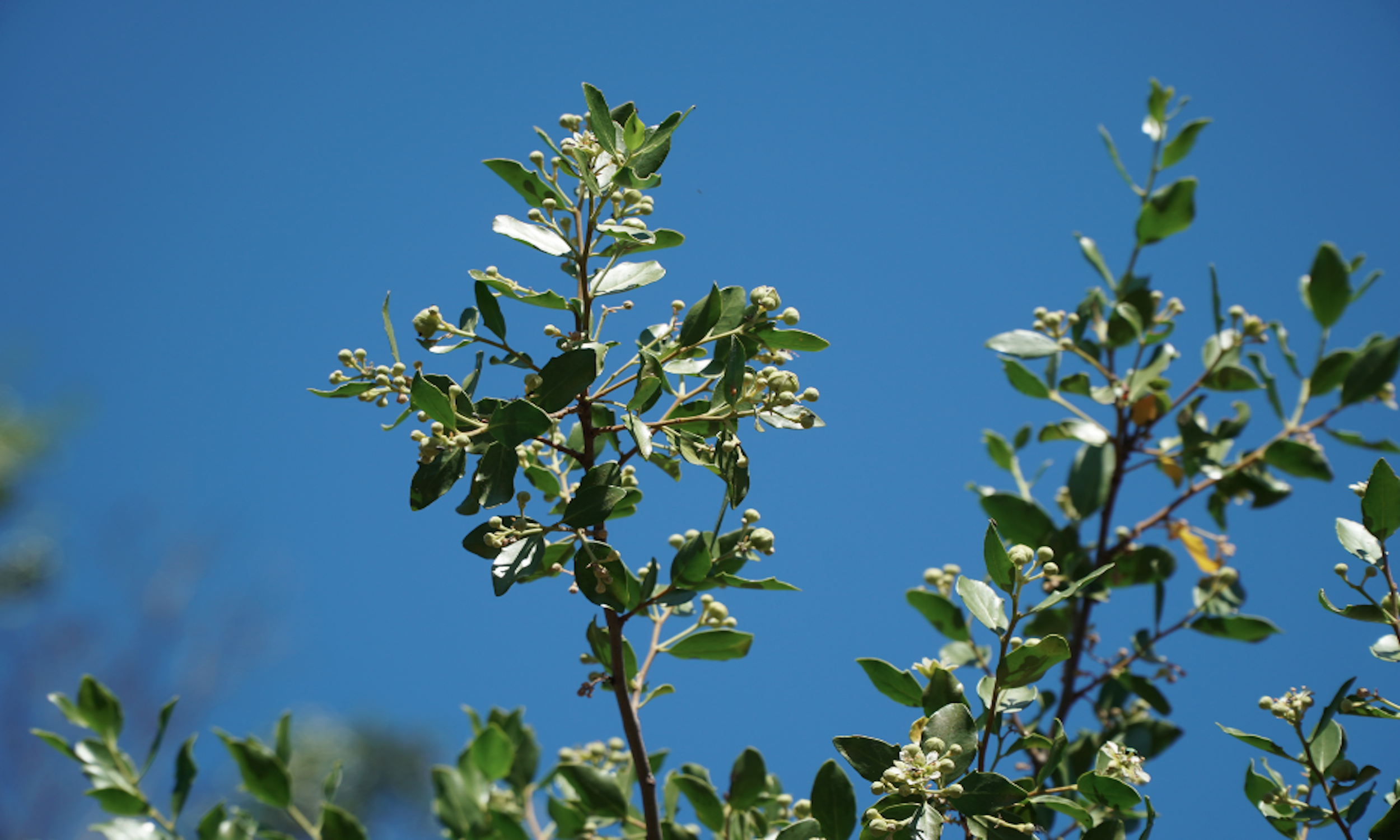
The expanding use of QS-21-based adjuvants has raised important questions regarding supply capacity and long-term availability. Current production depends on extraction from Quillaja Saponaria biomass, sourced primarily in Chile.
For that, it’s important evaluates a projected demand scenario of up to one billion vaccine doses per year, equivalent to approximately 50 kilograms of QS-21. This scale introduces new considerations around supply chain resilience, production efficiency, and resource management.
Evaluating Scalable and Sustainable Solutions
The publication reviews both existing production methods and emerging technologies for QS-21. While current extraction and purification processes are capable of supporting kilogram-scale production, future demand will require expanded capacity.
Among the strategies analyzed, clonal plantation forestry is identified as the most viable approach for scaling production in the near term. This model enables greater control over raw material availability and supports long-term supply stability.
Alternative approaches, including plant cell culture, engineered microorganisms, and chemical synthesis, are also explored. Although promising, these technologies still face technical and economic challenges that limit their current industrial application.
The Role of Sustainability in Supply Development
Ensuring a reliable supply of QS-21 is closely linked to sustainable resource management. The publication emphasizes the importance of responsible forestry practices and the development of renewable supply models for Quillaja saponaria.
These considerations reflect a broader shift in the pharmaceutical and biotechnology sectors, where sustainability and traceability are becoming essential components of ingredient sourcing strategies.
Advancing Knowledge for Future Vaccine Solutions
Desert King’s participation in this investigation reflects its ongoing commitment to supporting scientific research and contributing to discussions that shape the future of vaccine development.
As global demand for advanced immunization solutions continues to grow, strengthening the understanding of key components such as QS-21 will be critical. Collaborative efforts between industry and the scientific community will play a central role in enabling scalable, reliable, and sustainable supply for the next generation of vaccines.