

Cao, H., et al. A QS21+ CpG-Adjuvanted Inactivated Vaccine Elicits Superior Humoral and Moderate Cellular Immunity. J Med Virol, 2026 Oct, 98(10):e71179. PMID: 42910474
This paper is interesting for those focused on saponin adjuvants because it investigates the synergistic effect of QS21 (a saponin derivative) combined with CpG as an adjuvant for a commercially available inactivated rabies vaccine, a strategy not widely studied with licensed vaccine materials. Current inactivated rabies vaccines are typically administered without any adjuvants, limiting their immunogenicity. The novel aspect lies in demonstrating that this QS21+CpG combination dramatically enhances both humoral immunity (significantly higher RABV-specific IgG titers and virus-neutralizing antibodies, with rapid seroconversion) and Th1-type cellular immunity (increased IFN-γ and IL-2 secreting splenocytes), ultimately providing 100% protection against a lethal rabies challenge, which surpasses the 80% protection offered by the unadjuvanted vaccine.
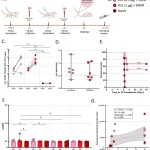
The main results of the study are as follows: Superior Humoral Immunity with QS21+CpG Adjuvant: The QS21+CpG-adjuvanted inactivated vaccine elicited significantly higher Rabies Virus (RABV)-specific IgG titers and virus-neutralizing antibody (RVNA) responses compared to both Alum-adjuvanted and unadjuvanted inactivated vaccines. This dual-adjuvanted group also showed more rapid seroconversion, reaching a high RVNA titer after booster immunization, which was dozens of times higher than control vaccines. Enhanced Th1-Biased Cellular Immunity: The QS21+CpG-adjuvanted vaccine maintained an advantage in cellular immunity, demonstrating significantly increased frequencies of IFN-γ- and IL-2-secreting splenocytes. Elevated levels of IFN-γ and IL-2 were also observed in splenocyte culture supernatants, indicating a trend toward enhanced Th1-type cellular immune responses. 100% Protection Against Lethal Challenge: Both the QS21+CpG and Alum-adjuvanted inactivated vaccine groups provided 100% protection against lethal challenge with 50 LD50 of the CVS-11 strain. Mice receiving the QS21+CpG vaccine also maintained stable body weight post-challenge.
This work highlights the potential of a combination saponin adjuvant to overcome the limitations of conventional inactivated rabies vaccines, offering a practical and readily adaptable approach for developing next-generation rabies prophylactics with improved immunogenicity and protective efficacy without requiring complex antigen reconstruction.
Comment from DK: A notable limitation of the study is the absence of any reported biophysical characterization of the QS21+CpG adjuvant formulation. While the research delves into immunological responses and protective efficacy, the lack of data on the physical properties and stability of the adjuvant itself leaves a gap in understanding its optimal formulation and potential challenges for broader application. This omission is significant, as biophysical characteristics are fundamental to vaccine development, influencing aspects such as storage stability, delivery, reactogenicity, and even immunogenicity.
Click here to access the full scientific paper.
[arrow_forms id=’3298′]