

Immunogenicity of a Recombinant Zoster Vaccine (gE/BFA01) in Mice
Quan, Y., et al. Immunogenicity of a Recombinant Zoster Vaccine (gE/BFA01) in Mice.
Viruses, 2025 Dec 30, 18(1):53. PMID: 41600818
- This study addresses the significant public health challenge posed by herpes zoster (shingles), caused by reactivation of the varicella-zoster virus (VZV), which leads to complications such as postherpetic neuralgia and has a substantial disease burden, especially among older adults with weakened immune systems. Current vaccines, like Shingrix, demonstrate high efficacy but involve complex formulations and mechanisms. The authors developed a novel recombinant zoster vaccine, gE/BFA01, incorporating the VZV glycoprotein E antigen with a liposome-based adjuvant, BFA01, designed to enhance immune responses. The primary goal was to evaluate this vaccine's immunogenicity in a preclinical mouse model, investigate the underlying mechanisms of adjuvant action—particularly immune cell recruitment and activation—and compare its immune efficacy to licensed vaccines, thereby supporting its potential as a high-efficacy, next-generation shingles vaccine candidate.
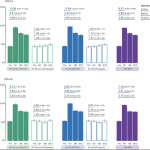
- The main findings of the study demonstrate that the recombinant zoster vaccine gE/BFA01 elicited robust humoral and cellular immune responses in VZV-primed mice, with significantly higher gE-specific IgG antibody titers compared to gE alone or with traditional aluminum hydroxide adjuvant. Notably, the immune response was biased toward a Th1 profile, evidenced by increased IgG2c levels and enhanced cytokine-producing CD4+ T cells. Mechanistically, the BFA01 adjuvant promoted innate immune cell recruitment, maturation of dendritic cells, and activation of inflammatory signaling pathways at the injection site and in lymph nodes. Comparatively, gE/BFA01 induced immunogenicity comparable to the licensed vaccine Shingrix, with higher antibody titers but similar cellular immune responses, supporting its potential as a high-efficacy shingles vaccine candidate.
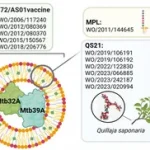
- Comment from DKI: gE/BFA01, also known as REC610, is a novel recombinant subunit shingles vaccine candidate developed by Jiangsu Recbio Technology Co., Ltd. (Recbio), designed to prevent herpes zoster (shingles) in adults aged 40 and older. It combines a truncated varicella-zoster virus glycoprotein E (gE) antigen with a proprietary liposome-based adjuvant, BFA01 (containing MPL and QS-21). Clinical Trial Status: A first-in-human (Phase I) clinical trial was initiated in the Philippines in February 2023, comparing REC610 to the marketed vaccine Shingrix. Interim analysis showed that the two-dose regimen of REC610 had a good safety profile with no serious adverse events (SAEs). REC610 induced strong, rapid gE-specific humoral and cellular immune responses, which were comparable to or numerically higher than those produced by Shingrix. The company initiated Phase III clinical trials for REC610 in China in October 2024. Enrollment was completed in January 2025. The objective was to evaluate the efficacy and safety of REC610 compared to the marketed vaccine Shingrix (GSK). The study was primarily conducted in China.
Click here to access the full scientific paper.
Recent Posts